Douthit Ferry Road Widening
Bartow County, Georgia · GDOT Project 0007494
If you own property along Douthit Ferry Road, the state is going to take a piece of your land. You'll get an offer. It will probably be less than what you're owed. Most property owners don't know that until it's too late.
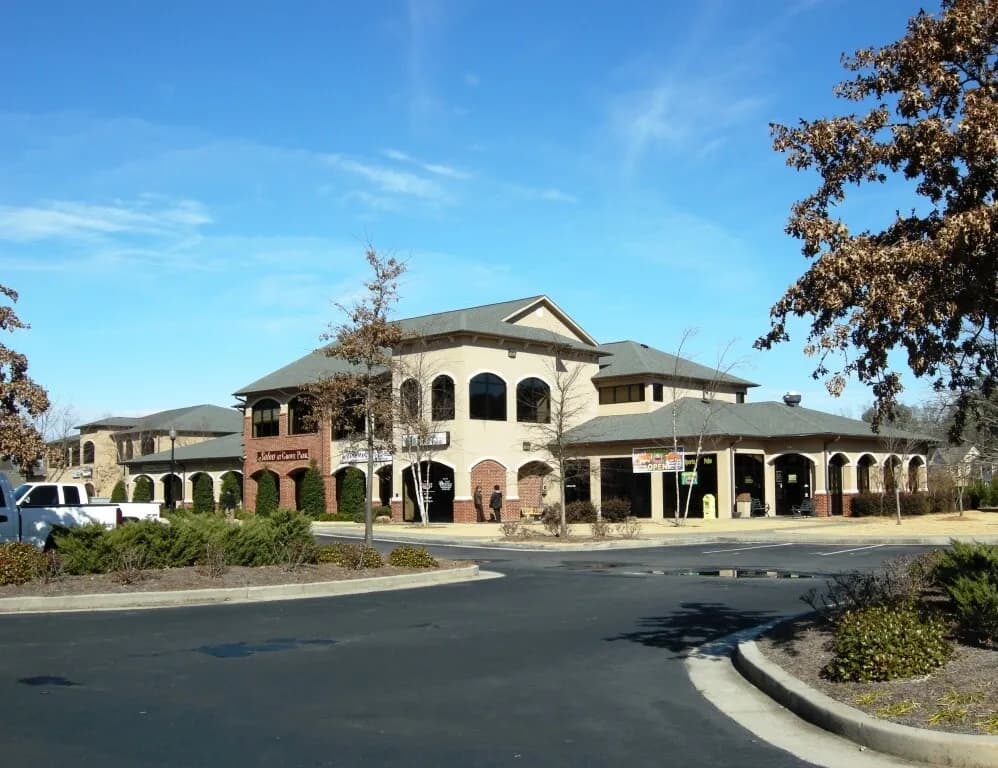
What's happening on this corridor
GDOT is widening Douthit Ferry Road. 362 properties are in the corridor. If you own one of them, the state will eventually contact you about acquiring a portion of your land.
Right-of-way authorization happened on April 14, 2026. That's the starting gun. It means GDOT has approval to begin hiring appraisers, surveying properties, and making offers. Most property owners in this corridor will receive first contact within the next 90–180 days.
That first contact might be a letter asking permission to survey your property. It might be a phone call from an appraiser. It might be a written offer to purchase a strip of your land. However it happens, once it happens, you're on the state's timeline. They've already done their homework. You're reacting.
The window is closing. The best time to engage independent counsel is before the DOT makes first contact. Once you receive an offer, you're negotiating against an appraiser who has already walked your property, an attorney who has already reviewed your deed, and a project manager who has already allocated a budget line for your parcel. Getting ahead of that process matters.
What the state's offer won't tell you
When GDOT makes you an offer, it will arrive on official letterhead with an appraisal attached. The offer will feel final. It's not. It's a starting point, and it's almost always incomplete.
The state's appraiser was hired by the state, instructed by the state, and paid by the state. Their job is to value the strip of land being acquired. That appraisal will not account for what happens to the land you keep. It won't account for your fence that now sits in the middle of the new right-of-way. It won't account for the driveway access you lose when the road is widened. It won't account for the mature trees that get cleared, the drainage pattern that changes, or the parking spaces that disappear.
Those impacts are called consequential damages, and under Georgia law, they're compensable. But the state won't bring them up. You have to.
What the state's appraisal will miss
These are real categories of recovery under Georgia law. The state won't itemize them in the initial offer. That's your attorney's job.
Severance damages
The strip they're taking makes your remaining property less valuable or less usable. Access gets worse. Drainage changes. Visibility drops. Layout becomes awkward. That loss is compensable. The state's appraisal treats the remaining property as if nothing changed. It did.
Improvements that have to move
Your fence is now in the right-of-way. Your landscaping gets cleared. Your driveway needs to be reconfigured. Your sign has to be relocated. The cost to replace or relocate these isn't a gift from the state — it's part of your compensation claim. But you have to document it.
Business impacts
If you run a business on the property, parking loss, visibility reduction, access changes, and construction disruption all affect revenue. Georgia law allows business damage claims under OCGA 22-1-12. The state won't volunteer this. You have to prove it.
Drainage and grading
When the state cuts a strip off your property, the grade changes. Water that used to sheet off into the road now pools on your lot. Or worse, it runs onto your building. Fixing that requires regrading, new drainage, maybe a retaining wall. That's a consequential damage, and it's compensable.
Tenant and lease issues
If you're a landlord, the taking might affect your tenant's use of the property, which affects lease value. If you're a tenant, your lease might give you rights the state hasn't accounted for. Either way, leasehold interests are compensable. The state won't ask if you have tenants. You have to tell them.
Multiple parcels, unified impact
If you own more than one parcel in this corridor, you may be able to join them into a single claim to demonstrate unified use or unified harm. That can increase total recovery. But if you accept separate offers for each parcel without coordinating, you lose that leverage.
What happens next
ROW Authorization
This already happened. GDOT has approval to start acquiring property. You probably didn't hear about it until after the fact.
The appraiser shows up
GDOT hires an appraiser. They'll call or send a letter asking to walk your property. You don't have to let them on your land, but if you refuse, they'll use public records and drive-by observation. Cooperation doesn't hurt you, but it also doesn't obligate you to accept their number.
You get an offer letter
The offer arrives with an appraisal attached. It will have a number, a legal description, and a deadline. The number is almost never the final number. The deadline is real but often negotiable. Do not sign anything without talking to an attorney first.
Negotiation (or litigation)
Most cases settle during negotiation. You hire your own appraiser, your attorney presents a counteroffer, and the state either agrees or counters back. If you can't agree, the state files a condemnation lawsuit. That sounds scarier than it is — it just means the case goes to a special master or jury trial to determine fair compensation.
Settlement or judgment
Either you reach an agreement and the case closes, or a judge or jury decides what the state owes you. Either way, you eventually get paid and the state gets the land. The question is whether you fought for full compensation or accepted the first number they offered.
Not ready to call an attorney? Track the project instead.
Takings is a free app from Proving Ground that tracks your address against this project's records and sends one alert when they change. No account, no commitment, no obligation to do anything but know.
Track this project in TakingsDon't go into this alone
We connect property owners with condemnation attorneys who know how to document what the state's appraisal will miss. The consultation is free. The form takes two minutes. What you do with the information is up to you.
Tell us about your property
Select all that apply.
Who we are and why we built this
Proving Ground Property Advisors exists because we watched a property owner in Fairburn, Georgia, nearly accept a state offer that valued her land at the price per acre but ignored everything else. The fence that would have to be replaced. The drainage problem the taking would create. The driveway reconfiguration. The reduction in her remaining lot's value.
She didn't know any of that was compensable. The state didn't tell her. We helped her connect with an attorney who did. Her final settlement was nearly four times the initial offer.
That's the pattern. Property owners who accept the first offer almost always leave money on the table. Property owners who engage experienced condemnation counsel almost always recover more. The difference isn't luck. It's information.
We're not a law firm. We don't provide legal advice. What we do is monitor active DOT corridors across Georgia and four other states, identify affected properties before the state makes contact, and connect property owners with attorneys who know how to document the full impact of a taking. We also coordinate the professionals — surveyors, appraisers, contractors — who help build the evidence file that supports a higher settlement.
If you're on this page, you're in one of those corridors. You didn't ask to be here, but here you are. The choice now is whether you handle this alone or with people who have done it before.
Questions? Call us at (484) 888-3300 or email support@propertytakings.com.